
Water and Wastewater Disinfection
Course Pack: Specialized Chemistry & Field Monitoring
Chlorine and Alkalinity
Course Description
This module introduces operators to chlorine-free water concepts, the role
of alkalinity in treatment stability, and how alkalinity shifts affect system behavior. Learners
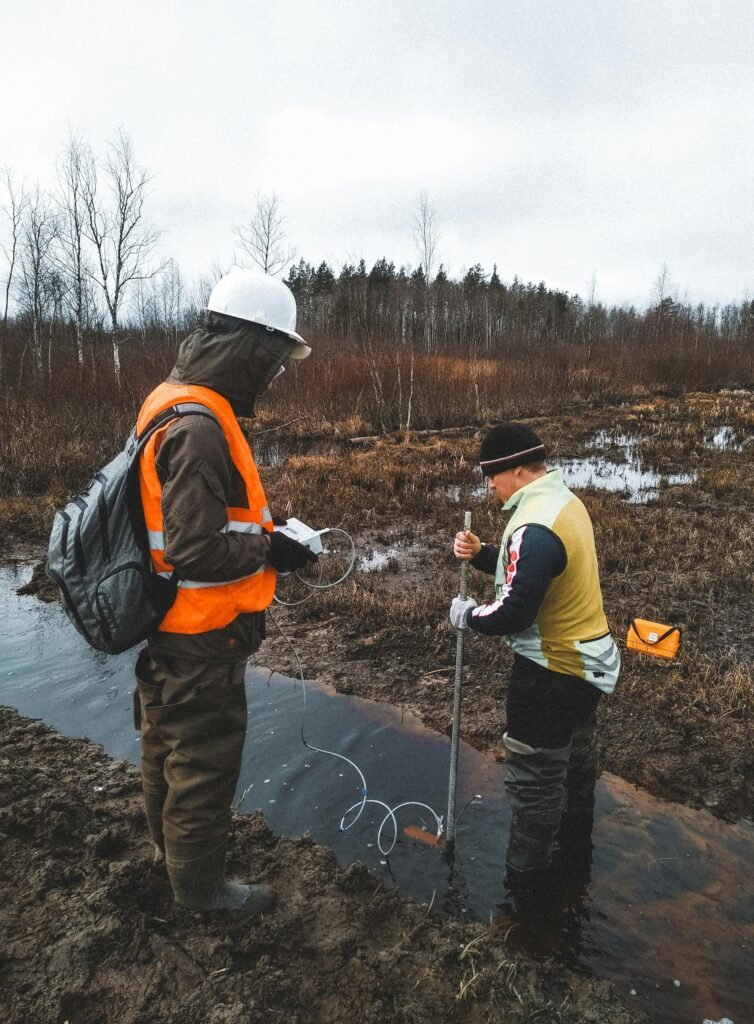
learn practical monitoring techniques, interpretation of field parameters, and operational
adjustments that support stable, reliable water quality. Applied examples and troubleshooting
steps reinforce the connection between alkalinity trends and day-to-day operational
decision-making.
Learning Objectives
1) Understand alkalinity roles in treatment
2) Differentiate chlorine-free and chlorinated water dynamics
3) Identify operational impacts of alkalinity shifts
4) Apply monitoring techniques for stable operations
Agenda
1) Overview of chlorine‑free water concepts and their operational relevance
2) Alkalinity measurement methods and interpretation for process control
3) Operational practices for maintaining system stability and water quality
4) Field parameters influenced by alkalinity and their monitoring implications
5) Applied case examples, troubleshooting steps, and operator monitoring approaches
Target audience
Operators at the entry to intermediate level (Operator 1–2) working in water or wastewater systems.
Level
I, II
Learning material and method
Online on-demand
Assessment
Knowledge check and quiz (80% correct and above)
Instructor
Mike Harrington