
Water and Wastewater Disinfection
Course Pack: Chloramination
Residual Based Measurements
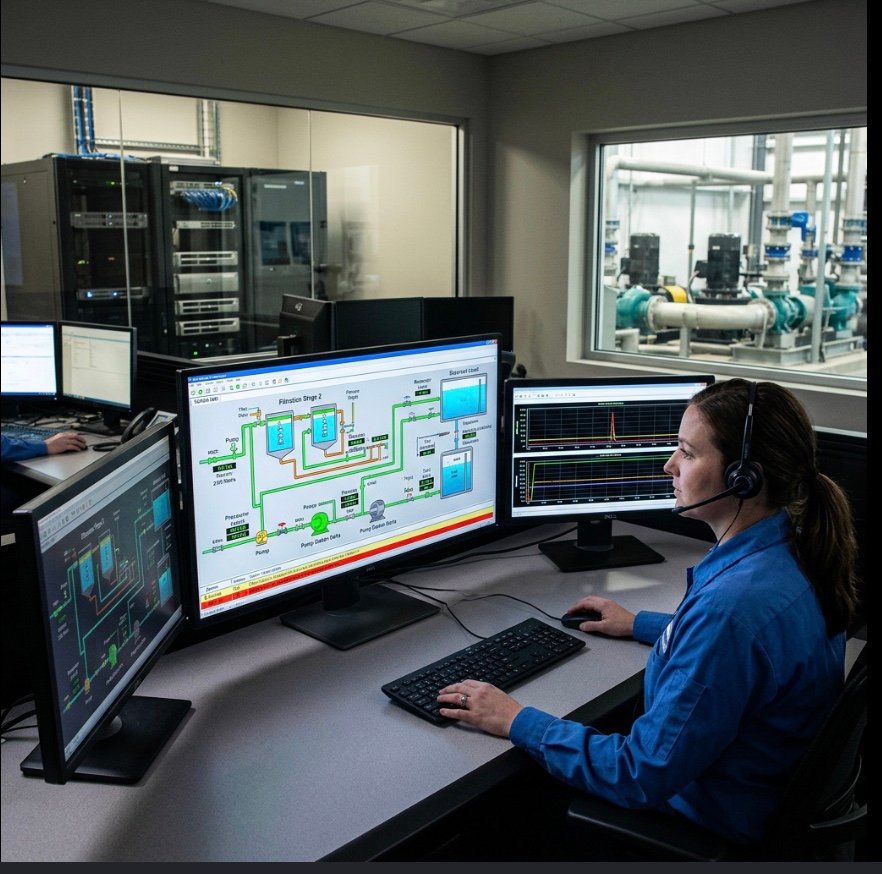
Course Description
This module provides an in-depth look at residual measurements in chloraminated water systems, focusing on accurate monitoring, testing challenges, and factors that influence disinfectant stability. Learners will explore how residual measurements help operators evaluate water quality, maintain treatment effectiveness, and identify potential issues within distribution systems.
The course examines key topics such as nitrification indicators, microbial impacts, residual decay, chemical balance, and corrective actions used to maintain reliable disinfection performance. Participants will gain a better understanding of how operational conditions affect residual levels and how proper monitoring practices support effective water treatment residual measurements. Through practical examples and system considerations, operators will learn strategies for improving measurement accuracy, maintaining disinfectant control, and optimizing chloraminated system performance.
Learning Objectives
1) Measure chlorine/chloramine residuals accurately
2) Recognize nitrification indicators
3) Differentiate non-pathogenic bacteria impacts
4) Interpret residual trends in distribution
5) Apply corrective strategies for residual loss
Agenda
1) Overview of residual measurement techniques
2) Chloramine stability factors in distribution systems
3) Causes, indicators, and detection of nitrification
4) Impacts of non-pathogenic microbial growth
5) Corrective actions with supporting field case studies
Target audience
Operators monitoring disinfectant performance in distribution systems
Level
II, III
Learning material and method
Online on-demand
Assessment
Knowledge check and quiz (80% correct and above)
Instructor
Mike Harrington